

Have you ever wondered if the supplements pigeonholed for one specific use—like boosting libido or gym performance—might actually be hiding much more sophisticated longevity mechanisms under the hood?
This molecular analysis of Tribulus terrestris is a fascinating investigation into the plant’s ability to manage cellular inflammation, revealing potential that transcends its common reputation as a simple gym performance booster. While I recently wrote about Tribulus and its potential effects on cardiac function (which you can check out in my previous post), I’ve honestly been sitting on this supplement for a while, worried it might be too stimulating or make me agitated. But I finally sucked it up and tried it this morning, and to my surprise, I liked it—and noticed it completely cleared my airways, reminding me a little of another substance called Tiger Milk.
“Tribulusamide D inhibited the production of LPS‑induced nitric oxide and prostaglandin E2... and reduced the expression of inflammatory cytokines, including IL-6 and tumor necrosis factor-α.”
— From the research
What’s the Big Idea?
The study focuses on Tribulusamide D, a specific compound isolated from the fruit of the Tribulus plant, and its ability to calm down hyperactive immune cells. While most people know Tribulus from the shelves of bodybuilding shops, this research bypasses the hormonal conversation entirely to look at how the plant interacts with macrophages—the “pac-man” cells of your immune system that eat up debris but also trigger inflammation when they get stressed.
This work specifically looks at what happens when these immune cells are assaulted by lipopolysaccharides (LPS)—nasty molecules found on bacteria that usually trigger a massive inflammatory firestorm. In a standard scenario, LPS exposure sends your cells into a panic, forcing them to pump out alarms like nitric oxide (NO) and inflammatory cytokines. However, when the researchers introduced Tribulusamide D to the mix, it acted like a molecular coolant. It didn’t just slightly dampen the response; it significantly blocked the path of NF-κB, a protein complex that acts as the master switch for inflammation. By preventing this switch from flipping, the compound stopped the “cytokine storm” before it could start.
💡 In Plain English
Most people write off Tribulus as just a ‘gym bro’ testosterone booster, but the science shows it actually acts like a molecular coolant for your immune system. It targets the same inflammation pathways involved in asthma, effectively hitting the brakes on the body’s ‘panic mode’ before swelling starts. So if you take it and suddenly feel like your lungs have opened up, it’s not in your head—it’s the plant silencing your systemic stress.
Why It Matters and What You Can Do
This research represents a shift in how we might use traditional herbs for modern healthspan optimization, particularly regarding systemic inflammation. We know that chronic inflammation is the engine behind everything from joint pain and brain fog to cardiovascular aging. The study showed that Tribulusamide D slashed levels of COX-2 (the same enzyme targeted by drugs like Celebrex) and TNF-α, a major driver of systemic heat and swelling.
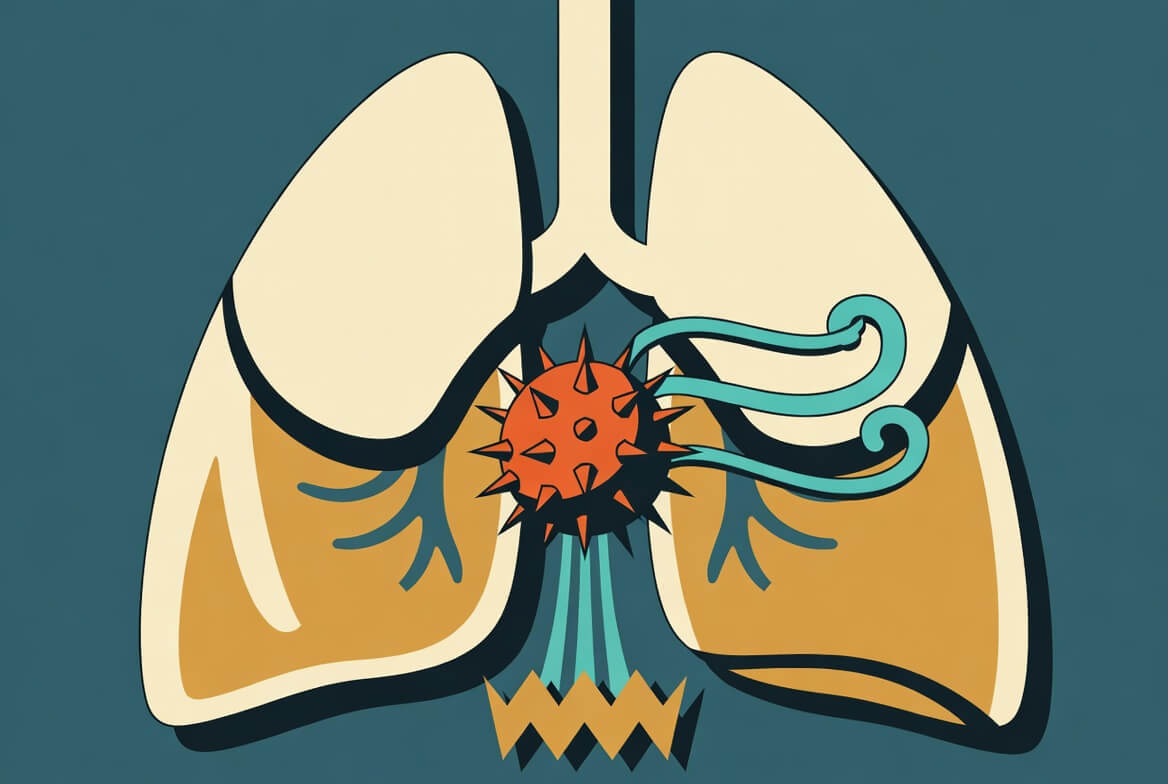
And honestly, this connects directly to something strange I noticed when I finally tried it. I mentioned earlier that I was worried about agitation, but instead of feeling wired, I noticed that it completely cleared my airways. I’ve been able to breathe extremely deeply today. It reminded me a little bit of another substance called Tiger Milk (which I plan to write about in the future), but the clarity was distinct. When you look at the data, this makes perfect sense: the cytokines this compound inhibits are the same ones implicated in airway constriction and asthma. By lowering that inflammatory baseline, the physiological noise quiets down, potentially allowing for that feeling of open, easy breathing.
Here is how you might apply these insights:
Reframe the Supplement: Stop viewing Tribulus solely as a hormonal aid. If you deal with creaky joints or seasonal stuffiness, it might serve a dual purpose.
Check the Extracts: This paper highlights Tribulusamide D specifically. When sourcing supplements, look for high-quality extracts that standardize for a broad range of saponins and amides, rather than generic powders.
Monitor Respiratory Feedback: Pay attention to your breathing. If you try it, use your airway resistance as a bio-feedback tool. Easier breathing often signals reduced systemic inflammation.
Watch the “Stack”: Since this acts on the COX-2 pathway, be mindful if you are already taking NSAIDs (like ibuprofen) or natural anti-inflammatories like Curcumin. You might not need as much of the others.
What’s Next on the Horizon
The molecular data is pointing toward a future where we might isolate specific amides from plants to create “soft” pharmaceuticals that lack the harsh side effects of steroids. The investigators found that Tribulusamide D inhibited the phosphorylation of p38 MAPK—a signaling highway that cells use to communicate stress. By blocking traffic on this highway, the compound prevents the cell from overreacting to threats.
This suggests that future therapeutic agents for inflammatory disorders—ranging from arthritis to potentially autoimmune conditions—could be derived from these specific bioactive fractions of Tribulus. We are seeing a trend in longevity research where we move away from “nuking” inflammation entirely (which you need for healing) and toward modulating it. If we can fine-tune how much NF-κB enters the nucleus, we can maintain immunity without the chronic burn of aging.
Safety, Ethics, and Caveats
The current scope of this research is limited to in vitro models, meaning these results were observed in cells in a dish, not in living humans. While the cells used (murine macrophages) are the standard gold model for testing anti-inflammatory drugs, human biology is vastly more complex. A compound might work beautifully in a petri dish but get destroyed by your liver before it ever reaches your joints or lungs.
Furthermore, while my personal experience with the supplement was positive and surprisingly devoid of agitation, everyone’s neurochemistry is different. Tribulus does interact with androgen receptors and neurotransmitters in ways that aren’t fully mapped out in this specific paper. If you are sensitive to stimulants or prone to mood swings, proceed with caution. The study confirms it is non-toxic to cells at effective doses, but that doesn’t account for individual human tolerance. As always, I see the appeal of jumping on a new protocol, but balance is crucial—don’t treat a powerful bioactive extract like candy.
One Last Thing
It’s rare to find something that surprises you after years of self-experimentation, but the link between this airway-clearing effect and the hard data on inflammatory cytokines is hard to ignore. If you decide to give it a test run, let me know if you notice that same “deep breath” sensation—it’s a great reminder that sometimes the best data comes from listening to your own physiology.
Explore the Full Study
Anti-inflammatory effect of tribulusamide D isolated from Tribulus terrestris in lipopolysaccharide-stimulated RAW264.7 macrophages
DOI: 10.3892/mmr.2017.7208
Authors: Hyun Hwa Lee, Eun-Kyung Ahn, Seong-Su Hong, and Joa Sub Oh.